
Google Ads Traffic Quality Review: A Click Fraud Protection Routine
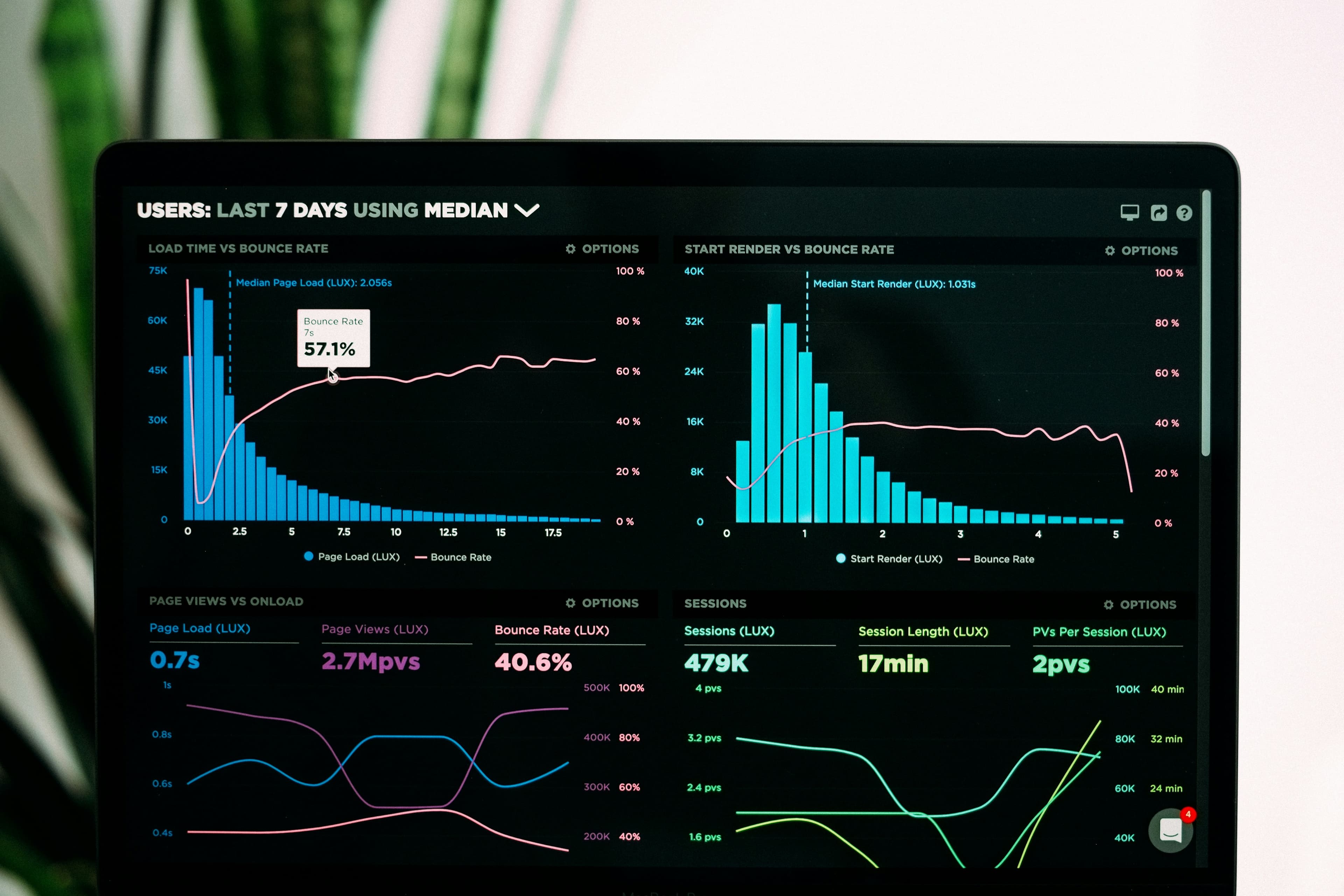
Most click fraud protection advice reads like a textbook. Your calendar reads like a fire drill. The compromise that actually sticks is a traffic quality review—same slot every week, same six questions, and a shared note your media buyer and whoever owns the site can both understand.
This article does not repeat our long-form guides on statistics, AI models, or vendor comparisons. Use it as the operational layer on top of resources like what is click fraud, how to detect click fraud early, and invalid traffic when you need definitions and depth.
Who should be in the room (or on the call)
You need two perspectives. Paid media sees auction pressure, match types, and Google Ads invalid clicks summaries. Web or analytics sees bounce depth, engagement time, and whether “clicks” ever behave like buyers. When those stories disagree, you are usually looking at PPC click fraud, low-quality placements, or a broken landing experience—only the first two belong in this review.
Fifteen minutes from each side beats an hour of assumptions. If you are solo, still split the work: pull Google Ads first, then Analytics or your heat-map tool before you change bids.
Before the review: three exports worth saving as bookmarks
You do not need a data-warehouse budget. You need consistent URLs or saved reports so the ritual stays under thirty minutes.
First, campaign view with segments for network (Search versus Display versus YouTube) and device. Performance Max campaigns deserve their own row—transparency is thinner, so you lean harder on site-side signals for those rows.
Second, the search terms or search categories view for anything on broad or smart matching. Generic, repetitive queries that never convert are often a hygiene problem; the same pattern with oddly uniform timing can point at competitor click fraud or scripted activity.
Third, change history for the last seven days. You are not looking for blame; you want to know if someone widened geo, relaxed brand negatives, or turned on an experiment right before CPA walked off a cliff.
Optional fourth pull when spend is heavy: a simple device and hour-of-day heatmap from analytics for paid traffic only. You are hunting for rectangles of activity that do not match when humans actually buy your product—night-shift spikes for a local service business, or desktop-heavy bursts on campaigns you mostly run for mobile app installs.
The six questions (answer yes, no, or “needs follow-up”)
1. Do invalid clicks move in the same direction as CPA? Google surfaces invalid click data at account level. A spike in filtered activity plus stable real conversions is a decent outcome. Flat “invalid” metrics while CPA worsens often means the problem is slipping past filters—common with residential proxies and human-driven click fraud. Mark “needs follow-up” and compare to on-site engagement.
2. Are high-click geos places you actually sell to? Map your top spend regions against support tickets, shipments, or qualified leads. A hot pocket with zero downstream presence is worth temporary geo tightening or a placement audit, especially on Display or Performance Max inventory.
3. Do new placements or URLs pass the “would I show this to the CEO” test? If you cannot explain why an app or site earns your brand, exclude it. Ad fraud prevention is sometimes boring maintenance: fewer weird partners, fewer phantom conversions.
4. Is engagement depth collapsing on the same dates clicks jump? Pull landing-page sessions for the paid channel. Bot traffic and accidental taps often show brutal time-on-page, zero scroll depth, or repeat session IDs hammering the same form. Humans have messy behavior; synchronized junk looks like a metronome.
5. Are auction metrics telling a story you believe? Impression share, top-of-page rate, and CPC spikes can be competitive—or they can reflect junk demand soaking inventory. Cross-check with search term quality before you treat it as pure market pressure.
6. Did anyone document anomalies while they are still fresh? Screenshots, short Looms, and a dated bullet list matter when you open a platform ticket or evaluate click fraud software. Memory is not evidence.
When “needs follow-up” becomes an escalation
You do not need a vendor for every blip. You do when the pattern repeats after you have tightened what you control—negatives, geo, audiences, and obvious exclusions—and Google Ads invalid clicks still look quiet while your funnel disagrees.
That is the moment click fraud detection tools earn their keep: continuous scoring, explainable reasons for risk, and exclusions that align with Google’s ecosystem instead of random IP bans. If you want the technical backdrop, read AI-powered click fraud detection in 2026; if you want channel specifics, pair this routine with Performance Max click fraud protection.
Keeping the habit alive without burning out
Rotate focus weekly if time is tight: Week A emphasizes Search and competitor click fraud patterns; Week B emphasizes Display and partner inventory; Week C emphasizes Performance Max and site-side engagement only. You still touch every major risk monthly without reading sixty tabs every Friday.
If you need a literal agenda, paste this into your calendar invite: (1) compare invalid clicks and CPA direction, (2) scan top geos against real customers, (3) spot-check placements or partner apps, (4) open one analytics view for scroll or time-on-page, (5) note one structural change from change history, (6) assign a single owner and due date for the follow-up. That sequence takes you from platform data to proof without letting the meeting sprawl into “we should test new creative someday.”
End each session with one action, even small: add a negative, file a ticket, schedule a landing test, or log a ticket for click fraud software evaluation. Momentum beats perfection.
FAQ
How long should a traffic quality review take?
Twenty to thirty minutes once reports are bookmarked. First runs take longer while you build the muscle memory.
Is this the same as a full Google Ads audit?
No. Audits reshape structure and strategy. This routine guards traffic quality and click fraud protection signals on a fixed cadence.
What if we only run Performance Max?
Lean on site-side behavior, creative tests, and placement-level clues Google does show. PMax reviews are fuzzier—that is why layering click fraud detection is common for those accounts.
Do we still need this if Google filters invalid clicks?
Yes. Filters help billing; they do not always save your optimization story. Invalid traffic that looks “eligible” in auction terms can still teach bidding algorithms the wrong price for a lead.
Start Protecting Your Enterprise Campaigns Today
ClickFortify provides enterprise organizations with the sophisticated, scalable click fraud protection they need to safeguard multi-million dollar advertising investments.
Enterprise Consultation
Speak with our solutions team to discuss your specific requirements.
Recommended Next Reads

Click Fortify Team
PPC Security & Ad Fraud Protection Experts
Click Fortify is powered by a team of top PPC experts and experienced developers with over 10 years in digital advertising security. Our specialists have protected millions in ad spend across Google Ads, Meta, and other major platforms, helping businesses eliminate click fraud and maximize their advertising ROI.